MISO is officially finished (last day was 30.06.2026).
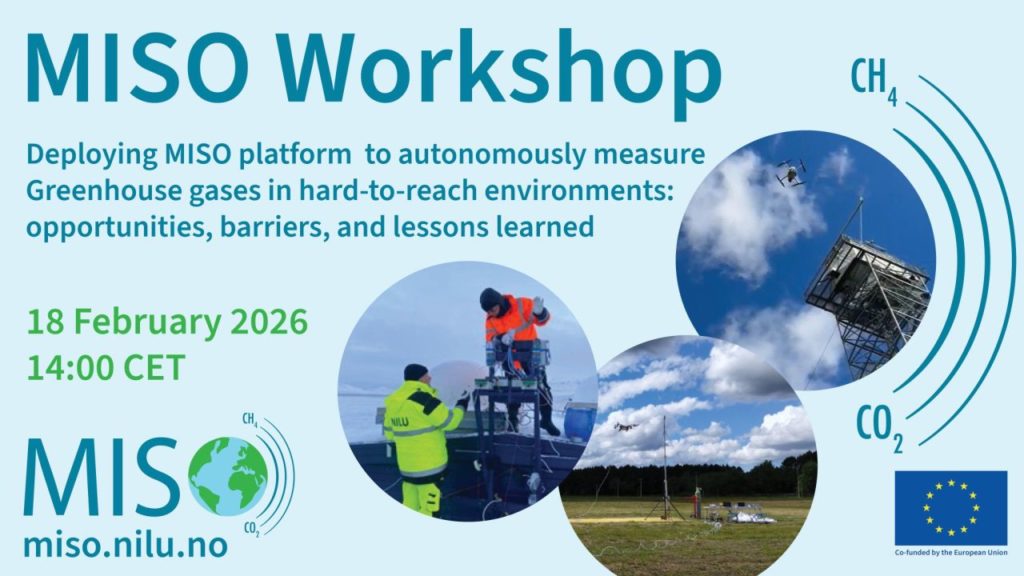
MISO have developed and demonstrated an autonomous in-situ observation platform for use in hard-to-reach areas (Arctic, wetlands), for detecting and quantifying carbon dioxide and methane gasses, using a combination of stationary and mobile (drone) solutions and requiring minimum on-site intervention when deployed.
In 3.5 year -journey , MISO has archived :
1: A suite of technologies have been developed and tested:
See all technologies here
- Gas sensor at ppm level, Gas sensing module at ppb
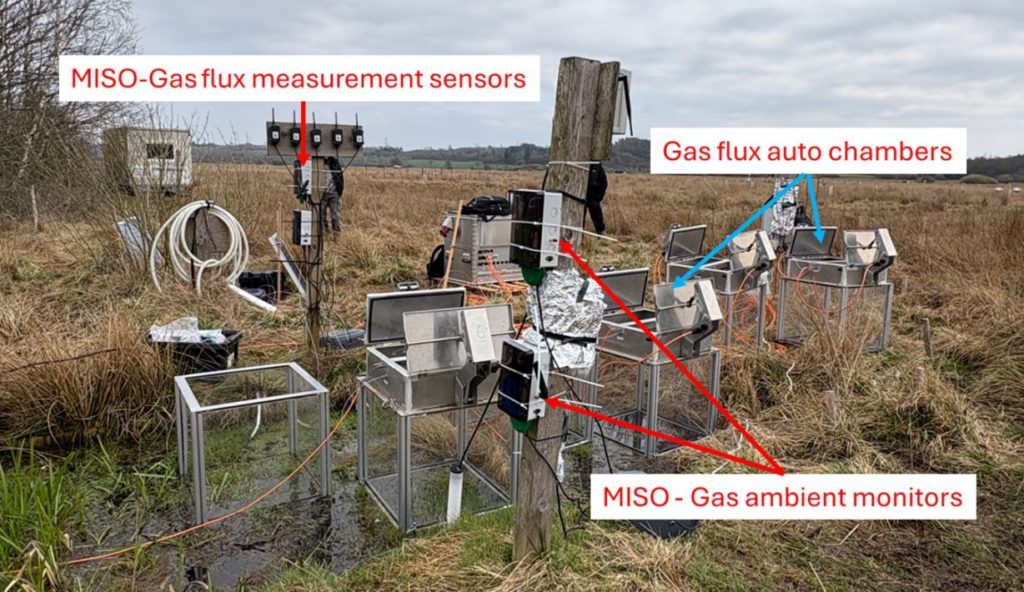
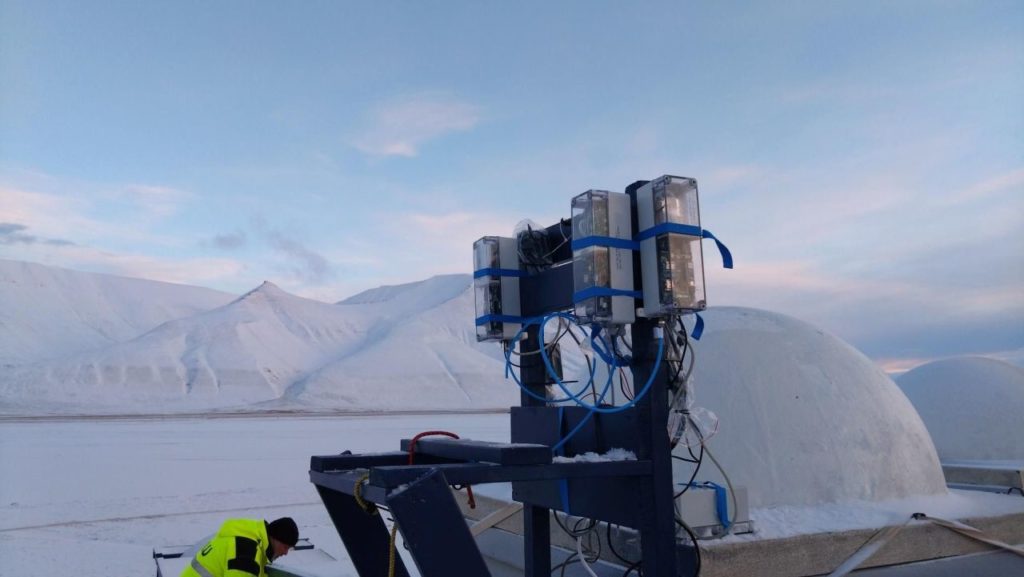
- Ambient monitor for CH₄ and CO₂
- Gas flux chamber for CH4 and CO₂ source sensing
- UAV-based Observatory
-MISO Data Platform, MISO Intelligent framework, MISO Data Communication
-MISO Energy Harvesting
2: Full pilots in the fields to verify the effectiveness of developed technologies and to demonstrate the capability of the MISO observational system and its individual components to measure CO2 and CH4 concentrations in real-world situations
- Technologies testing in Bordeaux, France (2 times)
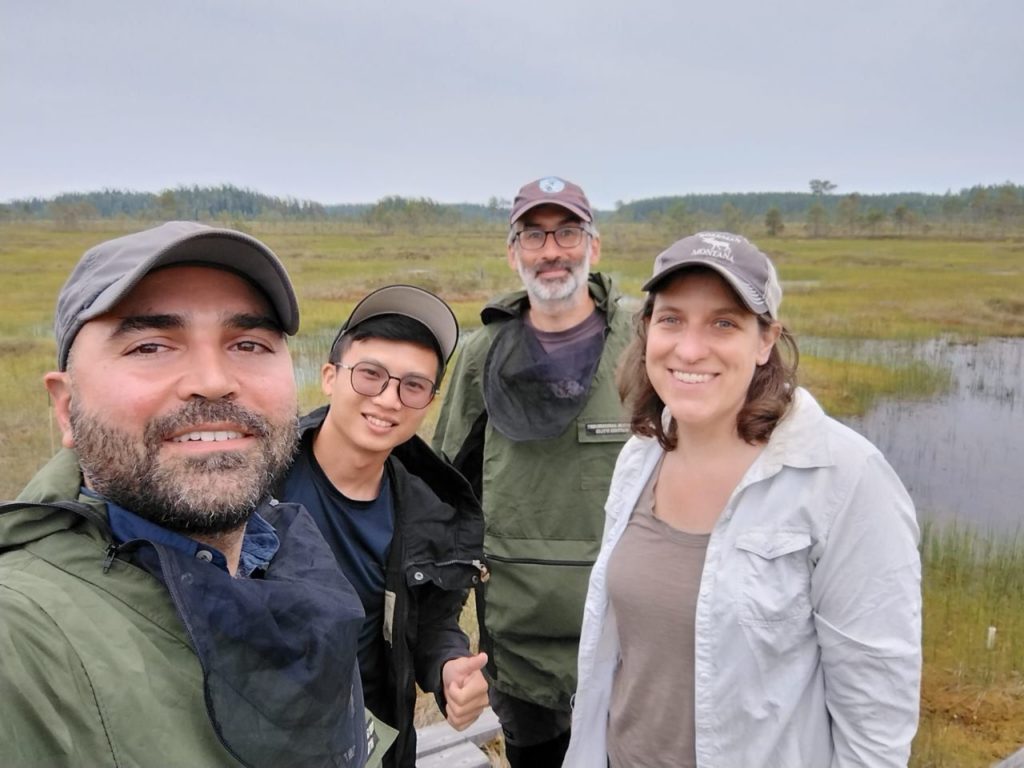
- Wetland field testing in Finland
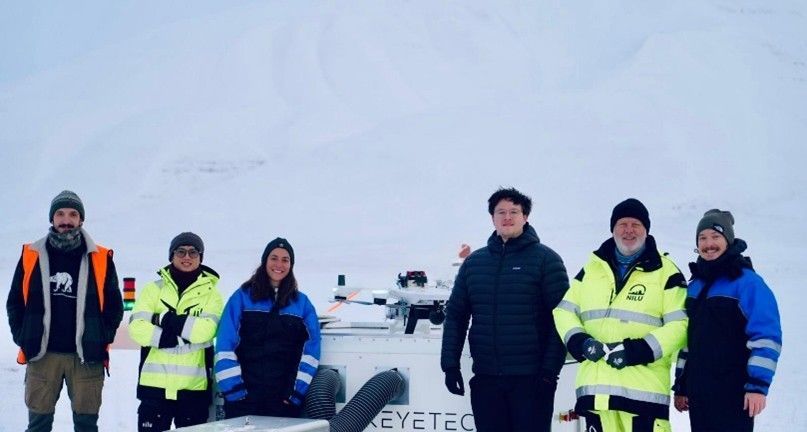
- Arctic field testing in Longyearbyen, Svalbard
- Wetland field testing in Denmark
- Gas ambient monitoring in the Zeppelin Mountain, in an untouched Arctic environment.
3: Got attention by Industries , ICOS and other potential customers to explore MISO technologies for acquiring in-situ observation datasets .
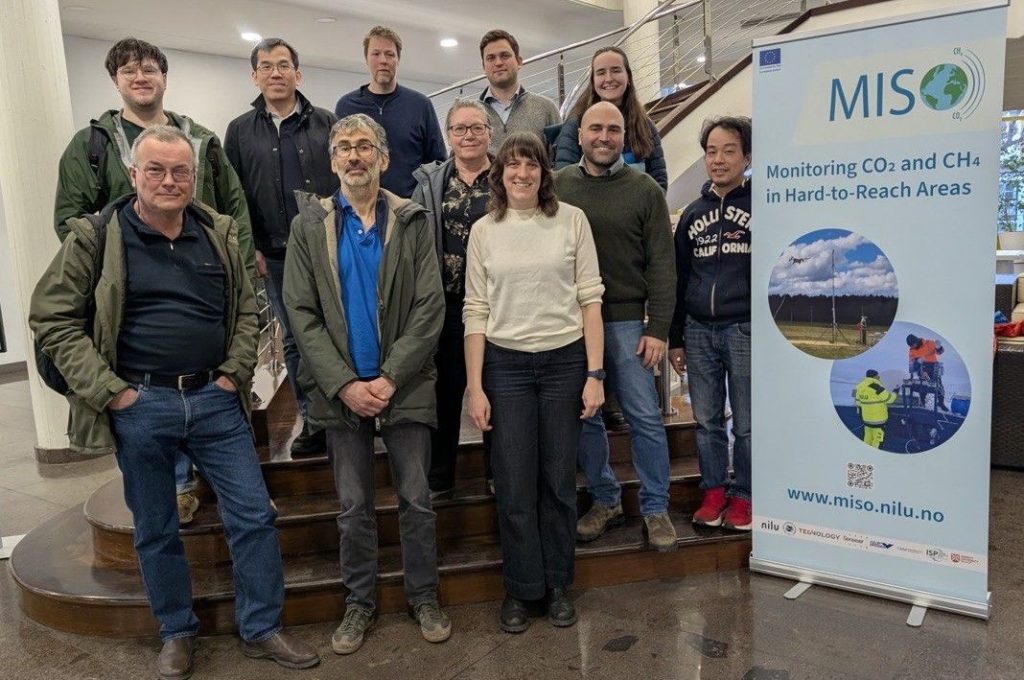
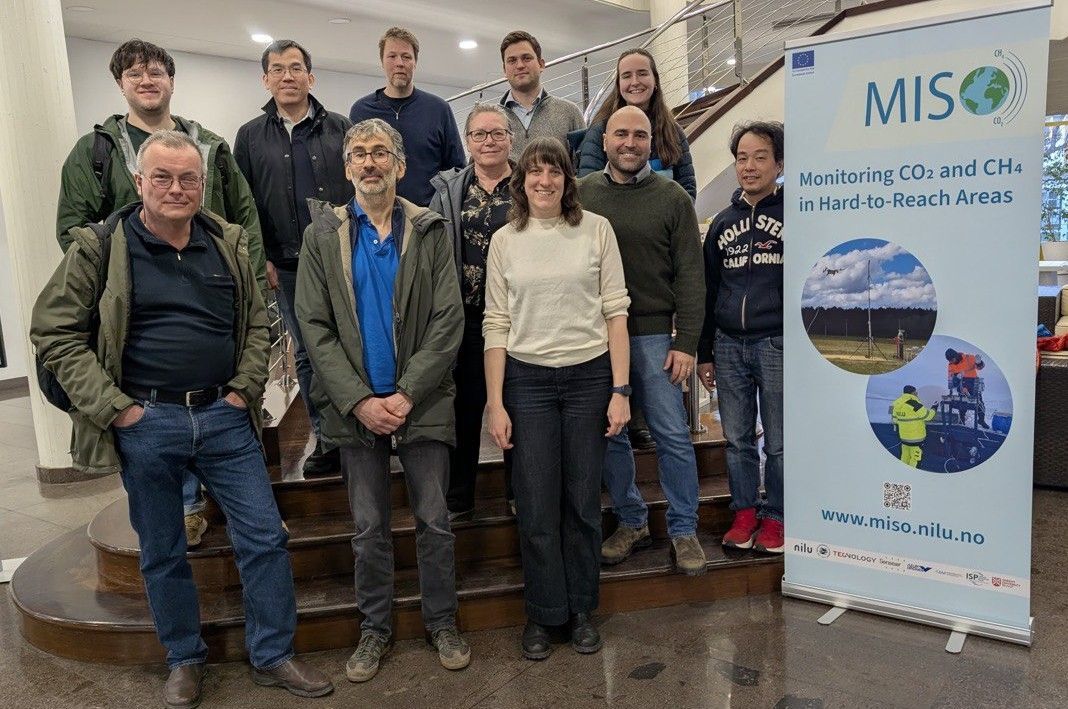
On behalf of Coordination team, MISO coordinator Tuan-Vu Cao would like to express his sincere gratitude for outstanding contributions of MISO members (NILU, Senseair, Consiglio Nazionale delle Ricerche, UiT- The Arctic University of Norway, TEGnology ApS, Queen’s University Belfast, Alfred Wegener Institute, Helmholtz Centre for Polar and Marine Research, Azur Drones) and collaborators to the MISO project. It was a pleasure working with all of you, and We are proud of what MISO family accomplished together.